
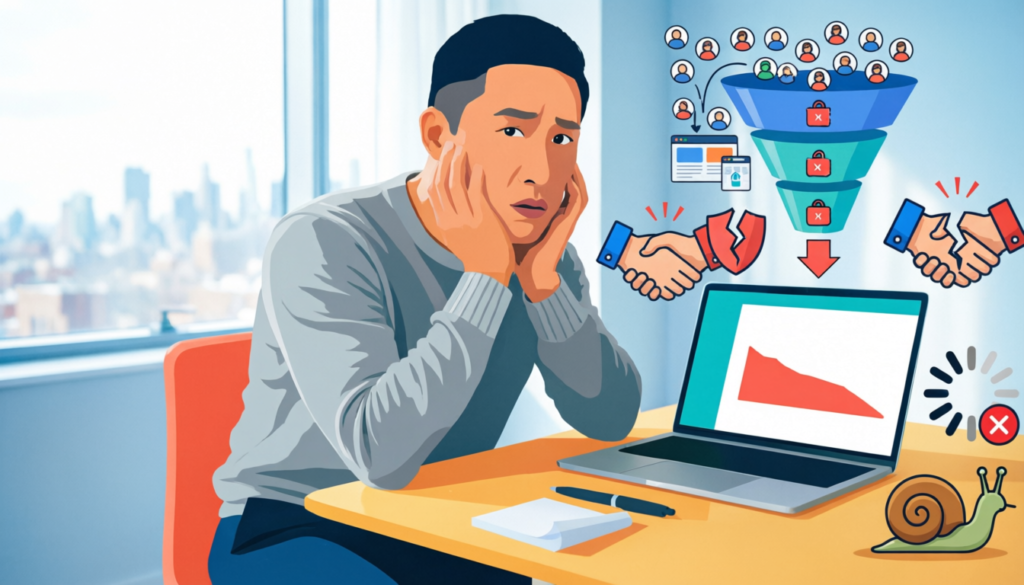
Launching a Shopify store is an exciting step, but many store owners quickly face a frustrating reality—traffic is coming in, yet sales are not happening. If your store is not converting visitors into customers, the issue is rarely just one thing. It is usually a combination of small problems that together create a poor buying experience.
Understanding these issues is the first step toward fixing them. In this guide, we will break down the most common reasons why Shopify stores fail to convert and what you can do to improve your results.
1. Weak First Impression
When someone lands on your website, they form an opinion within seconds. If your store looks outdated, cluttered, or unprofessional, visitors will leave before exploring further.
A high-converting store should feel clean, modern, and easy to navigate. Your homepage should clearly communicate what you are selling and why it matters. Avoid unnecessary design elements that distract users.
A simple and structured layout builds trust and encourages visitors to stay longer.
2. Slow Website Speed
Speed plays a major role in conversions. If your website takes too long to load, users will not wait—they will leave.
Common reasons for slow speed include heavy images, too many apps, and poorly optimized themes. Improving speed can significantly reduce bounce rates and increase engagement.
A fast store not only improves user experience but also creates a more professional impression.
3. Poor Product Pages
Your product page is where the decision happens. If it is not convincing, you will lose sales.
Many beginners make the mistake of writing basic descriptions that only list features. Instead, focus on benefits. Explain how the product solves a problem or improves the customer’s life.
Also, make sure your product page includes:
- High-quality images
- Clear pricing
- Strong call to action
A well-structured product page can dramatically improve conversions.
4. Lack of Trust
Trust is one of the biggest factors in online shopping. If your store looks suspicious or incomplete, customers will hesitate.
To build trust, include:
- Customer reviews
- Clear contact information
- Return and refund policies
- Secure payment icons
Even small trust signals can make a big difference in whether someone decides to buy.
5. Complicated Checkout Process
A complicated checkout process can kill conversions. If customers face too many steps or confusion, they abandon their cart.
Your checkout should be:
- Simple
- Fast
- Easy to understand
Reduce unnecessary fields and offer multiple payment options. The smoother the checkout, the higher your chances of completing the sale.
6. Weak Offer
Sometimes the issue is not the store—it is the offer. If your product does not feel valuable or competitive, customers will not buy.
Ask yourself:
- Why should someone choose your product?
- What makes your offer better than others?
You can improve your offer by adding:
- Discounts
- Bundles
- Free shipping
A strong offer creates urgency and increases conversions.
7. Low-Quality Traffic
Not all traffic is good traffic. If you are targeting the wrong audience, even a perfect store will not convert.
Make sure your marketing is reaching people who are actually interested in your product. This applies especially to paid ads.
Better targeting leads to higher quality visitors and better conversion rates.
8. No Clear Brand Message
If visitors do not understand what your brand stands for, they are less likely to trust you.
Your store should clearly communicate:
- What you sell
- Who it is for
- Why it is valuable
Consistency in design, messaging, and tone helps create a stronger brand identity.
9. Poor Mobile Experience
Most users browse on mobile devices. If your store is not optimized for mobile, you are losing a large portion of potential customers.
Check that your website:
- Loads quickly on mobile
- Has readable text
- Has easy-to-click buttons
A smooth mobile experience is essential for conversions.
10. No Testing or Optimization
One of the biggest reasons stores fail is lack of improvement. Many store owners set everything once and expect results.
In reality, successful stores are constantly optimized.
You should:
- Test different product pages
- Try different offers
- Analyze user behavior
Small changes over time can lead to big improvements.
Final Thoughts
If your Shopify store is not converting, do not assume it is a failure. In most cases, the problem can be fixed with the right adjustments.
Focus on improving user experience, building trust, and making your offer stronger. When these elements come together, conversions naturally increase.
Remember, success in ecommerce is not about perfection—it is about continuous improvement.
Need Expert Help
At Ecommelogic, we help businesses identify conversion issues and build Shopify stores that are designed to perform.
If you want to turn your traffic into actual sales, the right strategy can make all the difference.
Let us help you build a store that not only looks good but also converts.