
Meta Description:
Learn how to optimize your product pages to boost conversions, improve user experience, and turn more visitors into loyal customers.
Introduction: Why Product Page Optimization Matters
In the fast-paced world of eCommerce, your product pages are more than just listings—they’re digital salespeople. While you might attract traffic through ads or SEO, whether a visitor becomes a customer depends heavily on your product page’s design, content, and experience.
An optimized product page builds trust, removes friction, and guides the user confidently toward a purchase. In this blog, we’ll explore the key elements that influence conversions and how you can fine-tune them for success.
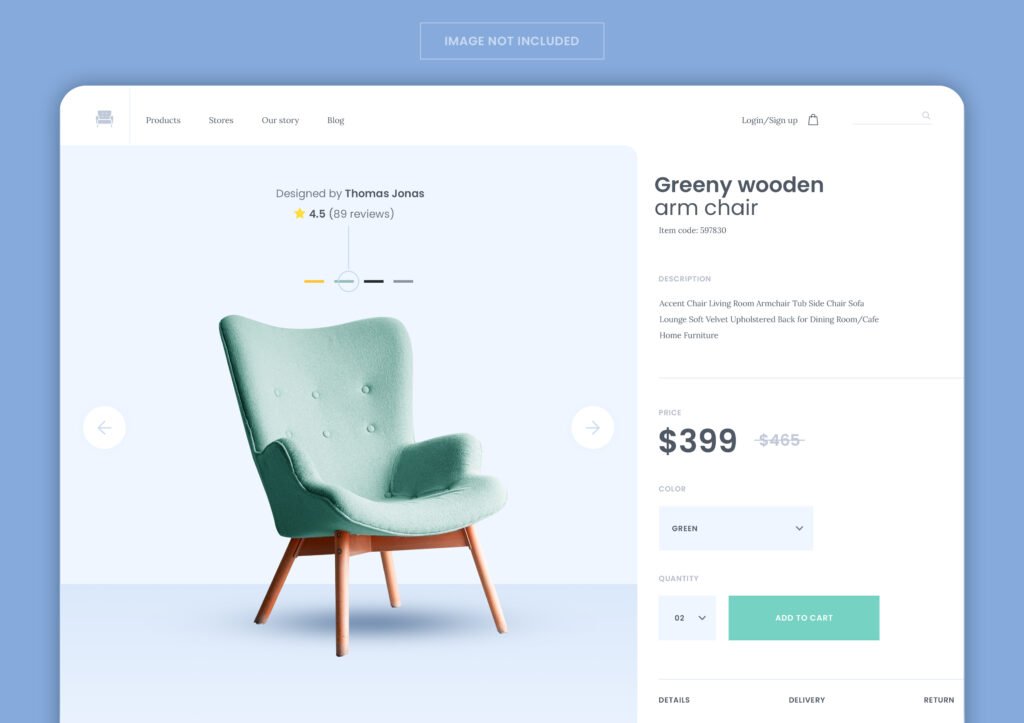
1. Elevate Visual Appeal with High-Quality Product Images
In the absence of a physical showroom, your product images speak louder than any sales pitch. Customers rely on visuals to judge quality, style, and suitability.
Clear, high-resolution photos taken from multiple angles give users a better understanding of the product. Including zoom features, lifestyle images, and product-in-use visuals helps them visualize ownership. Videos and 360° product views further enhance the experience, making users feel more confident in their decision.
2. Write Benefit-Focused, Engaging Product Descriptions
A common mistake many stores make is writing technical or vague product descriptions. Instead, focus on how your product adds value to the customer’s life.
Explain the benefits, not just the features. Use a tone that matches your brand and audience—be conversational but informative. Answer key questions: What problems does this product solve? Why should someone choose this over alternatives?
Also, naturally incorporate SEO keywords to improve visibility in search engines without sacrificing readability.
3. Use Customer Reviews and Ratings to Build Trust
Social proof is one of the most powerful drivers of online purchasing decisions. Potential customers feel more confident when real customer reviews and star ratings are shown.
Encourage your buyers to share their experiences post-purchase. Including user-generated content like customer-submitted photos can significantly boost credibility. Shoppers trust other customers more than brand claims—leverage that trust.

4. Make Mobile Optimization a Top Priority
Mobile responsiveness is now required because a significant portion of online buyers use mobile devices.
Your product pages must load quickly, fit any screen size, and provide a smooth browsing experience. Ensure buttons are easy to tap, images are responsive, and key actions like “Add to Cart” are always within reach. A frustrating mobile experience is one of the biggest causes of lost sales.
5. Design Clear and Actionable CTAs
Your call-to-action (CTA) is the gateway to conversion. Make it clear, visible, and compelling.
Use action-driven language like “Buy Now,” “Get Yours Today,” or “Add to Cart.” Ensure it’s prominently placed—ideally above the fold—and stands out with a contrasting color. The likelihood of conversion increases with the clarity and simplicity of the call to action.
6. Add Trust Signals to Reduce Buyer Hesitation
New customers are often skeptical, especially with unknown brands. Alleviate concerns by including visible trust signals such as secure payment icons, money-back guarantees, and clear return policies.
These small visual cues create a sense of security and professionalism, which makes it easier for customers to complete a purchase without second-guessing.
7. Create Urgency and Scarcity (But Keep It Honest)
Tactics like “Only 3 left in stock” or “Offer ends soon” can motivate users to act faster, reducing hesitation. However, it’s important to apply urgency and scarcity ethically.
False scarcity may get short-term results, but it can damage long-term brand trust. Be transparent and authentic when using urgency-based strategies.
8. Recommend Related Products and Offer Bundles
A great way to improve conversions and average order value is to guide users toward related products. Cross-selling and upselling can be done through suggestions like “You may also like,” “Complete the look,” or “Bundle and save.”
These recommendations not only add value but also enhance the customer experience by making it easier to find complementary products.
9. Test, Track, and Continuously Improve
Optimization is not a one-and-done task. Use tools like Google Analytics to track performance, heatmaps to understand user behavior, and A/B testing to experiment with different headlines, images, CTAs, and layouts.
Let data guide your decisions. The more you refine based on real user behavior, the higher your conversion rate will climb.
Conclusion: Small Tweaks, Big Results
A well-optimized product page isn’t about flashy design—it’s about creating clarity, trust, and ease. Each improvement you make—from better photos to stronger CTAs—helps eliminate friction in the buyer’s journey.
If your store is struggling with low conversions, don’t assume it’s just a traffic issue. Often, the problem lies in how your product pages are structured and communicated. That’s where EcommeLogic can help. Our team of experts specializes in eCommerce optimization that turns traffic into revenue.
Need Help? Let EcommeLogic Optimize Your Store
We help eCommerce brands revamp product pages with strategic design, engaging copy, and conversion-focused layout.
📩 To arrange a free audit or consultation, get in touch with us right now.