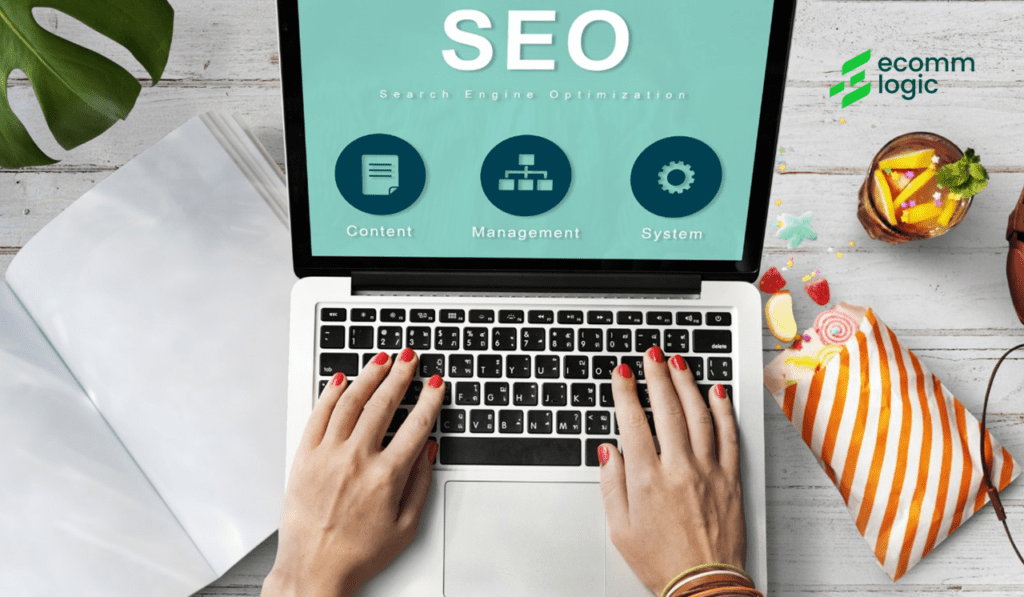
In the fast-changing world of e-commerce, ranking higher on Google can make all the difference for your business. With over 70% of online experiences starting with a search engine, having a solid SEO strategy is essential to drive organic traffic and boost sales.
But e-commerce SEO isn’t just about keywords — it’s about creating a smooth user experience, optimizing technical elements, and staying ahead of the latest trends. In this blog, we’ll dive into actionable tips that can help your online store rank higher on Google and attract more customers in 2025.
Why E-Commerce SEO Matters
Search Engine Optimization (SEO) is the process of improving your website’s visibility on search engines like Google. For e-commerce businesses, SEO plays a crucial role because:
- Higher rankings mean more traffic: The top three Google results get about 75% of all clicks.
- Organic traffic is cost-effective: Unlike paid ads, organic traffic doesn’t require ongoing investment.
- It builds trust and credibility: Websites that rank higher are seen as more trustworthy by users.
Investing in SEO is a long-term strategy that can help your online store grow consistently.
Top E-Commerce SEO Tips to Rank Higher on Google
1. Conduct Keyword Research
Keywords are the foundation of SEO. Tools like Google Keyword Planner, SEMrush, or Ahrefs can help you discover what your target audience is searching for.
Pro Tip: Focus on long-tail keywords like “affordable running shoes for women.” These are more specific, less competitive, and often have higher conversion rates.
2. Optimize Product Pages
Every product page is a chance to rank higher on Google. Make sure each page is optimized for both users and search engines.
What to do:
- Use target keywords in product titles, descriptions, and meta tags.
- Write unique product descriptions that highlight the product’s benefits.
- Add alt text to product images so search engines can understand what they represent.
3. Improve Website Speed
A slow website can drive potential customers away and hurt your rankings. Page speed is a direct ranking factor for Google.
How to speed things up:
- Compress images using tools like TinyPNG.
- Use a Content Delivery Network (CDN) to reduce load times.
- Enable browser caching and minimize CSS/JavaScript files.
4. Create High-Quality Content
Content is a powerful way to build trust and authority in your niche. It also gives you more opportunities to rank for relevant keywords.
Content ideas:
- Product tutorials
- Buying guides
- Industry news and trends
When you provide valuable content, you attract visitors and keep them engaged longer — both of which are great for SEO.
5. Build a Mobile-Friendly Website
More than 70% of e-commerce traffic comes from mobile devices. If your site isn’t optimized for mobile, you’re missing out on a huge chunk of potential customers.
What to do:
- Use a responsive design that adapts to any screen size.
- Test your site using Google’s Mobile-Friendly Test to ensure a smooth mobile experience.

6. Leverage Internal Linking
Internal linking helps search engines understand the structure of your site and makes navigation easier for users.
Quick tips:
- Link related products and categories.
- Use descriptive anchor text, like “Explore our latest running shoes collection.”
This not only improves SEO but also keeps visitors browsing longer.
7. Optimize for Voice Search
With smart speakers and voice assistants becoming more popular, optimizing for voice search is crucial.
What to do:
- Focus on conversational keywords like “Where can I buy eco-friendly water bottles?”
- Add schema markup to help search engines understand your content better.
8. Build High-Quality Backlinks
Backlinks from authoritative websites signal to Google that your site is trustworthy and valuable.
How to get backlinks:
- Collaborate with influencers and bloggers in your niche.
- Publish high-quality content that others will want to link to.
- Use the broken link building technique to replace outdated links with your own.
9. Use Structured Data Markup
Structured data (also known as schema markup) helps search engines understand the content on your pages. It also enables rich snippets — those eye-catching results that show product ratings, prices, and availability.
What to do:
- Add product schema to your product pages.
- Use breadcrumb schema to make navigation clearer.
Rich snippets not only improve visibility but also increase click-through rates.
10. Monitor and Analyze Performance
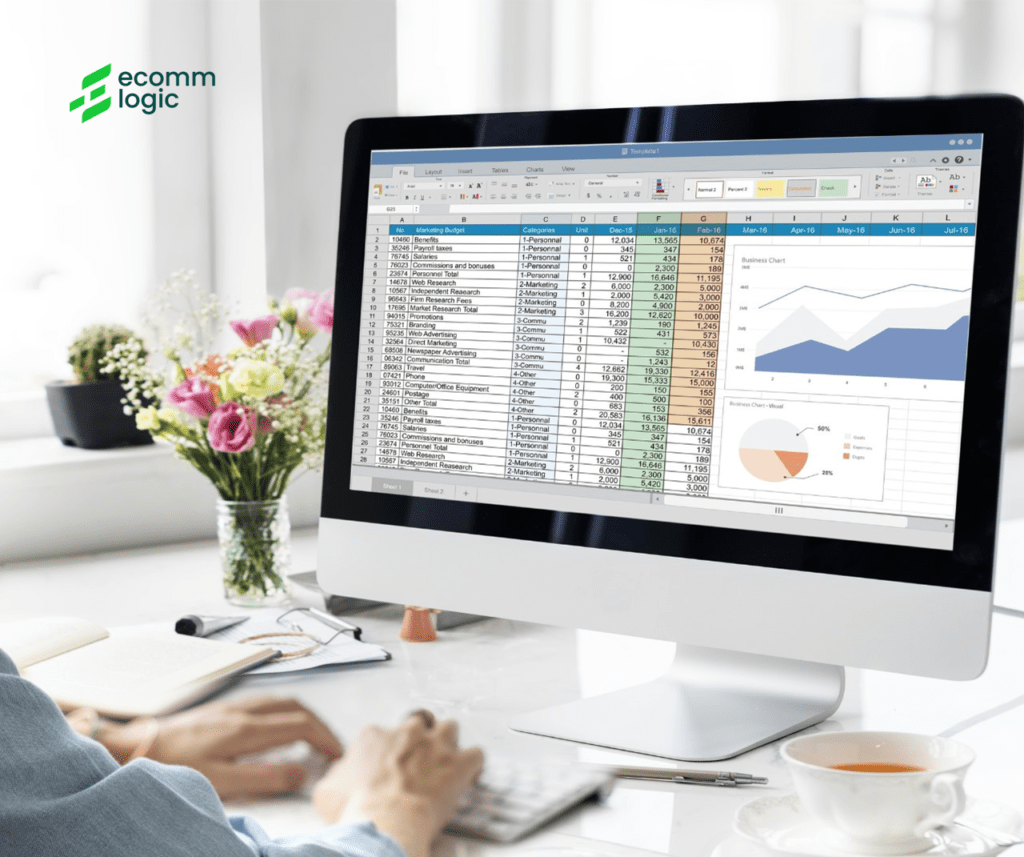
SEO isn’t a one-time job — it requires continuous monitoring and improvement.
Tools you can use:
- Google Analytics to track visitor behavior and conversions.
- Google Search Console to check for indexing issues and monitor keyword rankings.
- SEMrush or Ahrefs to keep an eye on competitors and track backlinks.
Regular analysis helps you stay on top of what’s working and what needs tweaking.
How EcommeLogic Can Help
At EcommeLogic, we specialize in helping e-commerce businesses improve their online presence through powerful SEO strategies. Our services include:
- In-depth keyword research and optimization
- Detailed technical SEO audits
- Engaging content creation and optimization
- Effective backlink building and outreach
We understand that every online store is unique, and we tailor our strategies to suit your brand’s needs.
Conclusion
E-commerce SEO is a game-changer when it comes to increasing visibility, attracting more customers, and boosting sales. By following these ten actionable tips, you’ll be well on your way to ranking higher on Google and growing your online store.
Ready to take your e-commerce SEO to the next level? Partner with EcommeLogic today and let’s start building a strategy that drives results.
Contact us now and watch your online store climb the search rankings! 🚀