
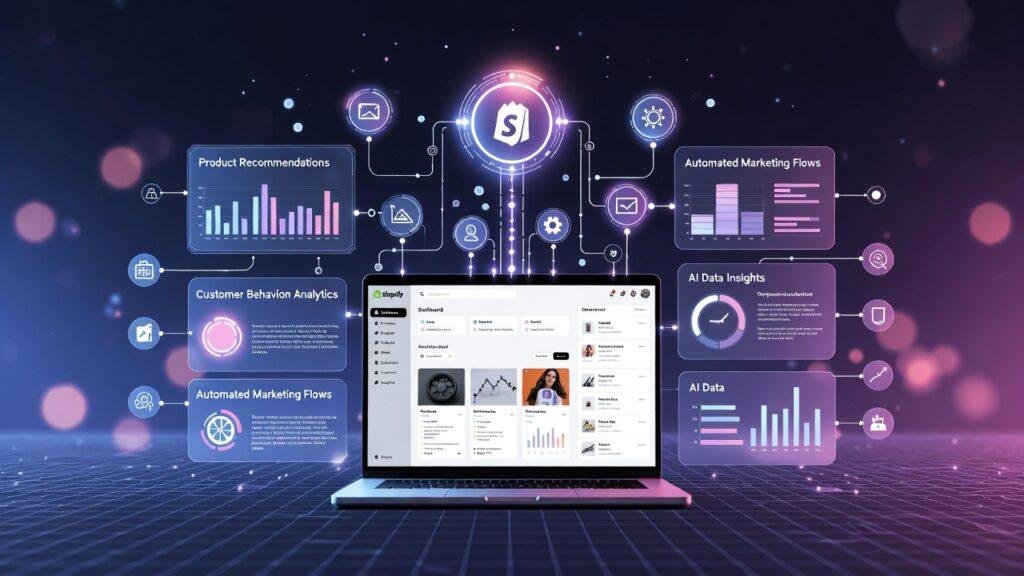
Ecommerce has changed dramatically over the past few years. Customers no longer respond to generic ads, one-size-fits-all emails, or static storefronts. Today, shoppers expect relevant product suggestions, personalized offers, and smooth buying experiences. This is where AI-powered personalization and automation are becoming essential for Shopify stores.
Brands that use AI effectively are not just selling products. They are building smarter systems that learn from customer behavior and improve over time. The result is higher conversions, better retention, and stronger long-term growth.
Why Personalization Matters More Than Ever
Customers interact with online stores in different ways. Some browse without buying. Some compare multiple products. Others return several times before making a decision. Traditional marketing treats all of them the same. AI changes that.
AI analyzes real-time data such as:
- Browsing history
- Purchase behavior
- Time spent on product pages
- Cart activity
- Repeat visits
- Past engagement with emails or ads
Instead of guessing what a customer wants, AI uses patterns from thousands of interactions to predict what they are most likely to buy next.
This allows Shopify stores to show the right product to the right person at the right time.
When customers feel understood, they are more likely to purchase.
Smart Product Recommendations
One of the most powerful applications of AI is product recommendation systems. These systems suggest relevant products automatically based on user behavior.
Common examples include:
- Frequently bought together suggestions
- Related product recommendations
- Personalized homepage displays
- Post-purchase upsells
For example, if a customer buys a bird feeder, AI can recommend bird seed, a birdhouse, or a related accessory. This increases average order value without additional ad spending.
These recommendations work because they are based on data, not assumptions. Over time, the system becomes more accurate as it learns from customer behavior.
Automated Marketing Flows
AI-powered automation also improves email and messaging campaigns. Instead of sending the same emails to every subscriber, stores can create intelligent workflows that respond to behavior.
Examples include:
- Abandoned cart reminders
- Browse abandonment emails
- Post-purchase follow-ups
- Win-back campaigns for inactive customers
AI can decide the best time to send messages and what content to include. It can also segment customers automatically based on likelihood to purchase.
This improves engagement and increases revenue from existing customers, which is often more cost-effective than acquiring new ones.
Predictive Insights for Better Decision Making
AI is not only about automation. It is also about prediction.
Predictive analytics can help store owners understand:
- Which customers are likely to buy again
- Which products may trend next
- Which customers are at risk of leaving
- What offers are likely to convert
This helps businesses move from reactive marketing to proactive strategy.
Instead of waiting for sales to drop, brands can take action early. For example, if AI predicts that a customer may not return, the store can send a personalized offer or reminder before the customer becomes inactive.
This approach strengthens retention and builds long-term value.
Real-Time Website Personalization
Modern AI tools can personalize website content in real time.
That means:
- First-time visitors see bestsellers
- Returning visitors see products related to past browsing
- Loyal customers see exclusive offers
- High-value customers see premium collections
This creates a tailored shopping experience similar to major platforms that adapt content based on user behavior.
Personalization increases engagement because customers see content that matches their interests instead of irrelevant products.
Improved Customer Experience with AI Chat
AI-powered chat systems can also improve customer support. They can:
- Answer frequently asked questions
- Recommend products
- Track orders
- Provide instant assistance
This reduces response time and improves satisfaction. Customers appreciate quick answers, especially during purchase decisions.
At the same time, automation reduces workload for store teams, allowing them to focus on strategy and growth.
The Impact on Conversions and Revenue
When implemented correctly, AI personalization and automation can significantly improve key performance metrics.
Stores often see:
- Higher conversion rates
- Increased average order value
- Better email engagement
- Improved customer retention
- Stronger repeat purchase rates
The combination of smart recommendations, automated flows, and predictive insights creates a system that continuously improves performance.
Instead of relying only on paid ads, stores can maximize value from existing traffic and customers.
Data Quality Is the Foundation
While AI is powerful, it depends on accurate data. If tracking is incomplete or product information is inconsistent, results may be limited.
Successful implementation requires:
- Proper event tracking
- Clean product data
- Clear customer segmentation
- Well-structured marketing flows
AI works best when integrated into a strong foundation. When data is reliable, automation becomes highly effective.
Final Thoughts
AI-powered personalization and automation are no longer optional for growing Shopify stores. They are becoming essential tools for improving customer experience and driving sustainable revenue.
The real advantage of AI is not just automation. It is understanding behavior. It helps brands identify what customers want, when they want it, and how to guide them toward purchase decisions naturally.
Stores that adopt AI early gain a competitive edge. They convert more visitors, retain more customers, and build smarter marketing systems.
In the evolving world of ecommerce, AI is not just a trend. It is the infrastructure behind modern growth strategies.
For brands that want to scale efficiently, investing in AI-driven personalization is one of the most impactful decisions they can make.