
Creating an e-commerce website that drives sales and builds a strong online presence is no small feat. It calls for a blend of careful planning, strategic design, and ongoing optimisation. Here is a helpful guide to get you started if you want to create a website that not only draws people but also converts them into devoted clients.
1. Understand Your Audience
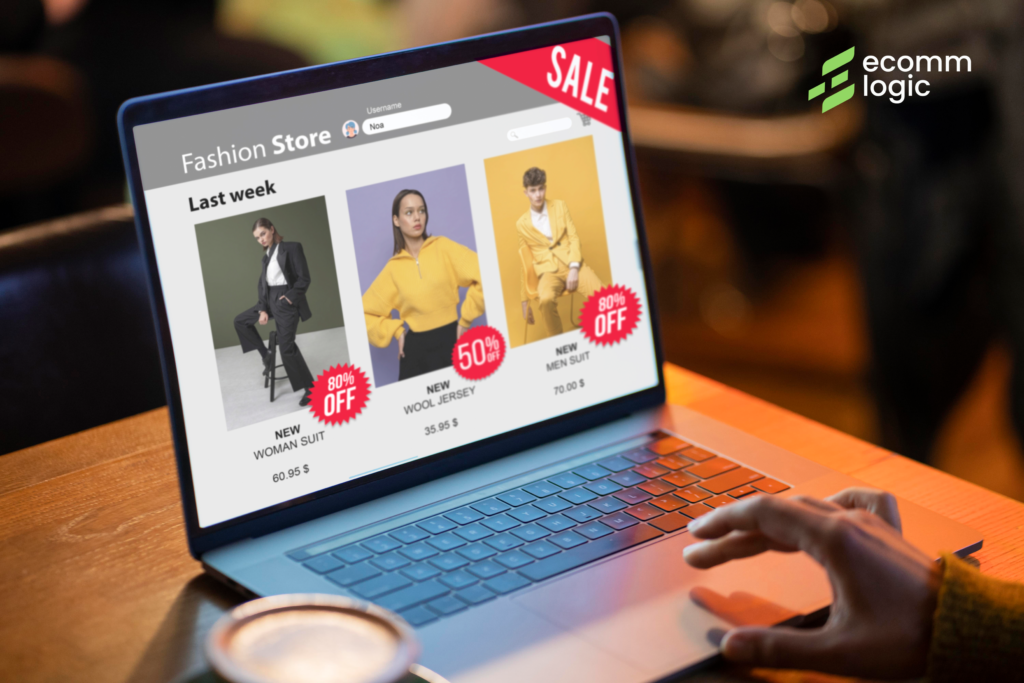
Before diving into design or functionality which take the time to understand your target audience. Who are they? What are their preferences, pain points, and shopping habits? Conduct surveys, analyse market trends, and gather insights to create a customer profile. This knowledge will guide every aspect of your website, from its layout to the tone of your content.
2. Choose the Right Platform
Your choice of e-commerce platform can make or break your online store. Shopify, WooCommerce, and BigCommerce are well-liked choices that provide a range of capabilities and customisation choices. Consider your business needs whether it’s ease of use, scalability or integration with payment gateways and select a platform that aligns with your goals.
3. Design for Ease of Use
A cluttered or confusing website can drive potential customers away. Focus on creating a clean, intuitive design that makes navigation effortless. To assist consumers in finding what they’re searching for fast, employ logical layouts, a strong search bar, and obvious categories. Keep in mind that visitors are more likely to buy anything if it is simple to browse.
4. Make It Mobile Friendly
With more people shopping on their phones than ever before, a mobile-optimised website is no longer optional. Ensure your site is responsive, meaning it adjusts seamlessly to different screen sizes. A mobile-friendly design not only improves user experience but also boosts your search engine rankings.
5. Invest in High Quality Visuals and Descriptions
First impressions matter, especially in e-commerce. Make use of high-resolution photos that let visitors zoom in for a closer look and present your items from a variety of perspectives. Combine these images with thorough, captivating explanations that emphasise the salient characteristics, advantages, and unique selling points of your items.
6. Simplify the Checkout Process
A lengthy or complicated checkout process is one of the top reasons for cart abandonment. Keep it simple by minimising the number of steps and fields required to complete a purchase. Offer guest checkout options and display trust signals, such as security badges, to reassure customers that their information is safe.
7. Use Clear and Actionable CTAs
Your call-to-action (CTA) buttons are the gateways to conversions. Make them stand out with bold, action-oriented language like “Add to Cart” or “Buy Now.” Place them strategically throughout your site which ensuring they’re easy to find and click. Experiment with different colours, sizes, and wording to see what resonates most with your audience.
8. Showcase Customer Reviews
Social proof is a powerful motivator. Put customer testimonials and reviews front and centre on your product websites to build credibility and trust. Positive reviews from actual customers can allay fears and motivate fresh prospects to make the purchase.
9. Optimize for Search Engines
To attract organic traffic, invest in search engine optimisation (SEO). Look for pertinent keywords for your items and organically include them in the names, descriptions, and meta tags of your products. In order to attract visitors and build your authority in your field, you should also provide excellent material, such as blog entries or buying recommendations.
10. Track and Improve Performance
Your work doesn’t end once the website is live. Keep an eye on important data like average session time, conversion rates, and bounce rates by using tools like Google Analytics. Analyse this data to identify areas for improvement and don’t be afraid to experiment with A/B testing to refine your strategies.
Final Thoughts
Building a high-converting e-commerce website is an ongoing process that requires attention to detail and a willingness to adapt. By understanding your audience, prioritising user experience, and leveraging proven strategies, you can create a site that not only attracts visitors but also turns them into loyal customers. Stay proactive, keep testing and always be on the lookout for ways to improve.
If you need help or have questions about your e-commerce journey then don’t hesitate to reach out. Visit us at www.ecommelogic.com to learn how we can help your online business thrive.