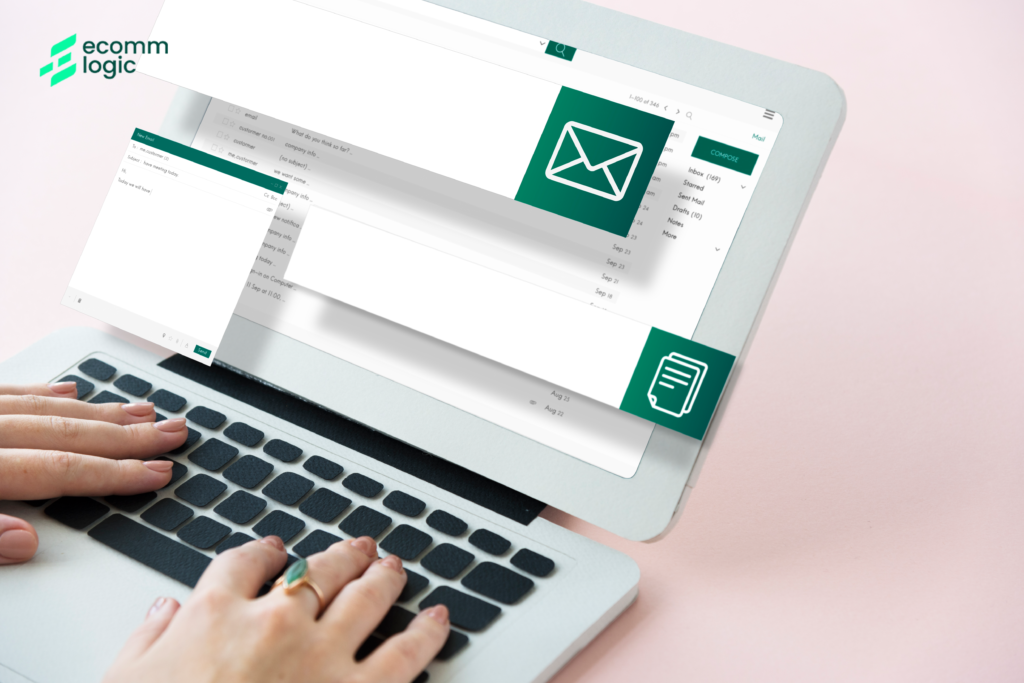
Email marketing continues to be one of the most effective digital marketing strategies for e-commerce businesses. With the ability to deliver personalized messages directly to your customers’ inboxes, email campaigns can drive engagement, build brand loyalty, and significantly increase sales. In fact, studies show that email marketing generates an average return of 36 for every 1 spent, making it one of the highest-ROI marketing channels available.
For e-commerce businesses looking to maximize their sales through email marketing, implementing the right strategies is key. This guide will walk you through practical steps to create high-converting email campaigns that turn subscribers into customers and one-time buyers into loyal brand advocates.
Building Your Email List the Right Way
The foundation of successful email marketing is a quality subscriber list. Rather than purchasing email lists (which often leads to low engagement and spam complaints), focus on growing an organic list of engaged customers. Start by placing email signup forms prominently on your website – in the header, footer, and as pop-ups or slide-ins. Offer an incentive like a first-purchase discount or exclusive content to encourage signups.
Leverage your social media presence by promoting your newsletter to followers who already engage with your brand. You can also collect emails at checkout by making the newsletter opt-in box checked by default (while still giving customers the option to unsubscribe). The more targeted and engaged your email list is, the better your conversion rates will be.
Crafting Emails That Get Opened and Clicked
With the average person receiving dozens of promotional emails daily, standing out in the inbox is crucial. Your subject line is your first impression – it should be compelling enough to get the open. Keep it short (under 50 characters is ideal), create a sense of urgency (“24-Hour Flash Sale!”) or curiosity (“You Won’t Want to Miss This”), and personalize when possible (“John, Your Special Offer is Inside”).
The email content itself should be visually appealing and easy to scan. Use a clean layout with plenty of white space, high-quality product images, and clear, benefit-driven copy. Most importantly, every email should have one primary call-to-action (CTA) that stands out, whether it’s “Shop Now,” “Claim Your Discount,” or “Browse New Arrivals.”
The Power of Personalization and Segmentation
Generic, one-size-fits-all emails don’t cut it anymore. Today’s consumers expect personalized experiences. Start by using the subscriber’s name in the greeting, but go further by segmenting your list and tailoring content based on customer behavior.
For example, send different emails to first-time buyers versus repeat customers. Recommend products based on past purchases or browsing history. Create special campaigns for customers who haven’t purchased in a while. Abandoned cart emails (sent when someone adds items to their cart but doesn’t complete checkout) are particularly effective – they can recover 10-15% of lost sales with simple reminders or small incentives.

Automating Your Email Marketing for Maximum Efficiency
Email automation allows you to send the right message at the right time without manual effort. Set up automated workflows like:
- Welcome series: Introduce your brand and offer a special discount to new subscribers
- Post-purchase follow-ups: Thank customers, request reviews, and suggest complementary products
- Re-engagement campaigns: Win back inactive subscribers with special offers
- Seasonal promotions: Automate holiday or sale announcements in advance
These automated sequences ensure you’re consistently nurturing customer relationships while saving countless hours of manual work.
Optimizing for Mobile and Testing Performance
With over 60% of emails opened on mobile devices, your emails must look great on smartphones. Use responsive email templates, large text and buttons, and minimize image-heavy designs that may load slowly.
Continuously test and refine your campaigns. Try A/B testing different subject lines, send times (generally mid-week mornings perform well), email lengths, and CTAs. Track key metrics like open rates (aim for 20%+), click-through rates (3%+ is good), and conversion rates to identify what resonates best with your audience.

Turning Email Subscribers into Loyal Customers
The true power of email marketing lies in its ability to build long-term customer relationships. Beyond promotional emails, provide value through helpful content like buying guides, styling tips, or behind-the-scenes brand stories. Celebrate customer milestones like birthdays or anniversaries with special offers.
By combining strategic promotions with genuine relationship-building, your email marketing can become a consistent sales driver for your e-commerce business. Start implementing these strategies today, and you’ll soon see the impact on your bottom line.
At Ecommelogic, we specialize in helping e-commerce businesses create high-converting email marketing campaigns. Contact us today to learn how we can help you grow your sales through strategic email marketing.