Introduction
Marketing today is no longer just about creativity. It is about data, speed, and precision. Businesses that rely only on traditional marketing methods struggle to keep up with changing customer behavior. This is where AI-driven marketing strategies come in.
Artificial Intelligence helps brands understand customers better, automate decisions, and deliver personalized experiences at scale. From predictive analytics to smart ad targeting, AI is reshaping how businesses attract, engage, and convert customers.
What Are AI-Driven Marketing Strategies?
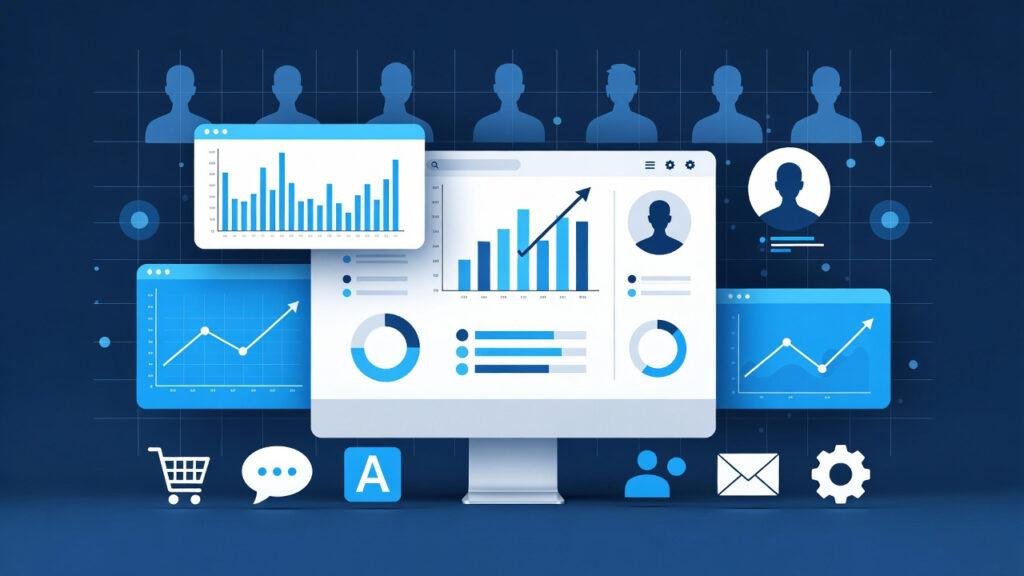
AI-driven marketing strategies use artificial intelligence to analyze data, predict outcomes, and automate marketing actions. Instead of guessing what might work, AI helps marketers make decisions based on real customer behavior.
These strategies combine machine learning, automation, and data analysis to improve performance across channels like social media, search ads, email marketing, and e-commerce platforms.
Key Benefits of AI-Driven Marketing
1. Better Customer Personalization
AI analyzes user behavior such as browsing history, purchase patterns, and engagement time. This allows businesses to deliver personalized content, product recommendations, and offers.
Personalization improves customer experience and increases conversion rates.
2. Smarter Data-Driven Decisions
AI tools process massive amounts of data faster than humans. Marketers can identify trends, predict demand, and optimize campaigns in real time.
This reduces wasted ad spend and improves ROI.
3. Marketing Automation at Scale
AI-powered automation handles repetitive tasks like email scheduling, lead scoring, chatbots, and ad bidding.
This saves time and allows marketing teams to focus on strategy and creativity.
Core AI-Driven Marketing Strategies
Predictive Analytics
AI predicts customer behavior based on historical data. Businesses can forecast sales, identify high-value leads, and plan campaigns more effectively.
This is especially useful for e-commerce brands and service-based businesses.
AI-Powered Content Optimization
AI tools analyze which content performs best and suggest improvements. Headlines, visuals, and posting times can all be optimized using AI insights.
This helps brands increase engagement across social media and blogs.
Smart Advertising and Targeting
AI improves ad targeting by analyzing user interests, demographics, and intent. Platforms like Google Ads and Meta already use AI to optimize bidding and placements.
The result is better reach with lower ad costs.
Chatbots and AI Assistants
AI chatbots provide instant responses to customer queries, qualify leads, and assist with purchases.
They improve customer support while reducing operational costs.
AI in E-Commerce Marketing
For e-commerce businesses, AI-driven marketing strategies are a game changer. AI recommends products, optimizes pricing, predicts inventory needs, and personalizes the shopping experience.
Brands using AI see higher average order values and better customer retention.
Challenges to Consider
While AI offers powerful benefits, businesses must use it wisely. Poor data quality can lead to inaccurate results. Over-automation may also reduce the human touch if not balanced properly.
The key is combining AI insights with human creativity and strategy.
Future of AI-Driven Marketing
AI will continue to evolve with more advanced personalization, voice search optimization, and real-time customer interaction. Businesses that adopt AI early will gain a strong competitive advantage.
AI is no longer optional. It is becoming a core part of modern marketing success.
Conclusion
AI-driven marketing strategies help businesses grow faster, engage customers better, and make smarter decisions. By leveraging AI for personalization, automation, and data analysis, brands can stay ahead in an increasingly competitive digital market.
Companies that invest in AI today are building the foundation for long-term marketing success.