
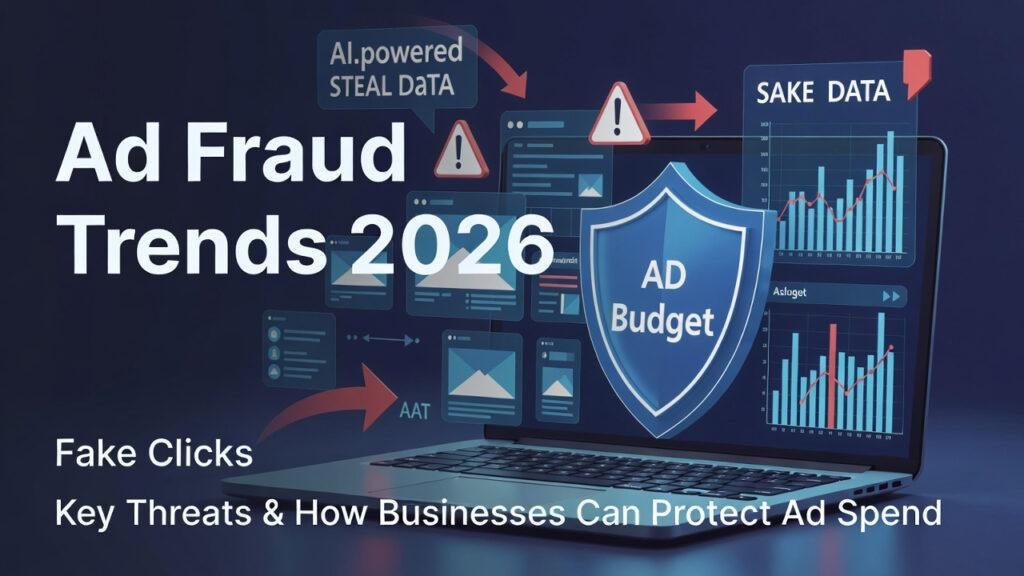
Digital advertising has become a critical growth driver for e-commerce brands. But as marketers pour more budget into channels like programmatic display, mobile ads, and connected TV, fraudsters are finding ever more sophisticated ways to steal ad spend and distort performance data. In 2026, losses from ad fraud are expected to top $41 billion globally and continue rising if advertisers don’t adapt fast.
At EcommeLogic we work with clients on high-impact paid media campaigns. We also watch trends that threaten profitability and ROI. Ad fraud is one of those risks you can’t afford to ignore. This post breaks down what’s happening, how it affects your campaigns, and what you can do to protect your marketing budget.
What Is Ad Fraud and Why It Matters
Ad fraud refers to deceptive practices that generate fake ad impressions, clicks, or conversions so scammers can siphon off advertising dollars without delivering real value. It often involves bots, fake websites, malware or automated systems designed to mimic genuine user behavior.
Fraud not only wastes money but also:
- Skews campaign data and analytics
- Lowers true conversion rates
- Pollutes your CRM with invalid leads
- Damages brand reputation through placements on unsafe sites
In other words, the impact goes beyond lost dollars. It can erode trust in your marketing data and decision-making.
How Ad Fraud Is Evolving in 2026
Fraudsters are becoming more sophisticated. A few of the major trends shaping the landscape this year include:
AI-Driven Bots That Look Human
Bots are no longer easy to spot. Many now simulate realistic mouse movements, scrolling, and form submissions so they look like legitimate traffic. These machines can fill out contact forms or click ads, making it harder for basic filters to tell real users from fake ones.
Deepfake-Style Content and Misleading Ads
Some fraudulent actors use AI to generate convincing fake creatives or endorsements. These can mislead audiences and damage brand credibility if your ad appears adjacent to them.
Fake Leads and Form Submissions
Bots and script-based tools generate fake signups or lead form submissions that clog your sales pipeline and skew conversion data. In some analyses, fake leads are significantly more common across all traffic than legitimate conversions, meaning your CRM can look healthy even when it’s full of junk.
Made for Advertising (MFA) Sites
These are low-quality sites that exist primarily to host ads and generate revenue for fraudsters. They often use automated content and attract bots instead of real customers, draining ad spend without measurable results.
Where Fraud Hits Hardest
Not all channels are equally exposed, but some trends stand out:
Programmatic advertising still delivers scale but also has some of the highest fraud rates because of limited transparency. In certain networks, fraud rates can approach half of all traffic if not monitored carefully.
Mobile and Connected TV (CTV) platforms are increasingly targeted. Fraud here often hides in malware or hidden ad placements that inflate view or click counts without real engagement.
What It Costs You
Aside from direct budget loss, ad fraud skews performance signals. Campaigns that look like they’re performing well may actually be funded by fake traffic. That means you could be spending more on channels that aren’t actually driving real conversions. Recent research shows that fraudulent clicks convert at about half the rate of genuine ones, further hurting performance metrics.
How Brands Can Fight Back
Staying ahead of ad fraud requires a mix of strategy, technology, and vigilance. Here’s what we recommend:
1. Use Advanced Fraud Detection Tools
Platforms that analyze traffic patterns in real time can identify and block suspicious activity before budget is drained. Look for tools with AI-powered detection and real-time blocking features.
2. Audit Your Traffic Regularly
Look beyond surface metrics like clicks or impressions. Pay attention to conversion quality, bounce rates, and unusual traffic spikes that could indicate invalid traffic.
3. Filter and Validate Leads
Implement systems that verify lead authenticity, such as CAPTCHA, email validation, or phone verification flows. This cuts down on fake leads entering your sales funnel.
4. Require Transparency from Partners
Whether you’re working with an agency or a platform, insist on detailed reporting and access to raw data to validate traffic and conversions.
5. Follow Regulatory Standards and Best Practices
The advertising industry is moving toward greater transparency. Standards from organizations like IAB and certifications can help ensure your campaigns meet modern fraud prevention guidelines.
Final Thoughts
Ad fraud in 2026 is more advanced than ever, driven by AI, bots, and automated schemes designed to mimic real human behavior. Ignoring it isn’t an option if you want to protect ad spend and trust your campaign data.
At EcommeLogic we help brands not just grow traffic, but ensure that traffic is real and valuable. If you’re scaling paid campaigns, set up proper fraud monitoring from day one. It’s not just about saving money — it’s about building a reliable, scalable marketing engine.
If you want, I can help you turn this into a branded article formatted for your blog with meta description, SEO keywords, headings, and intro/outro tailored to your audience.